South Africa government imposed a ban on certain hairstyles:
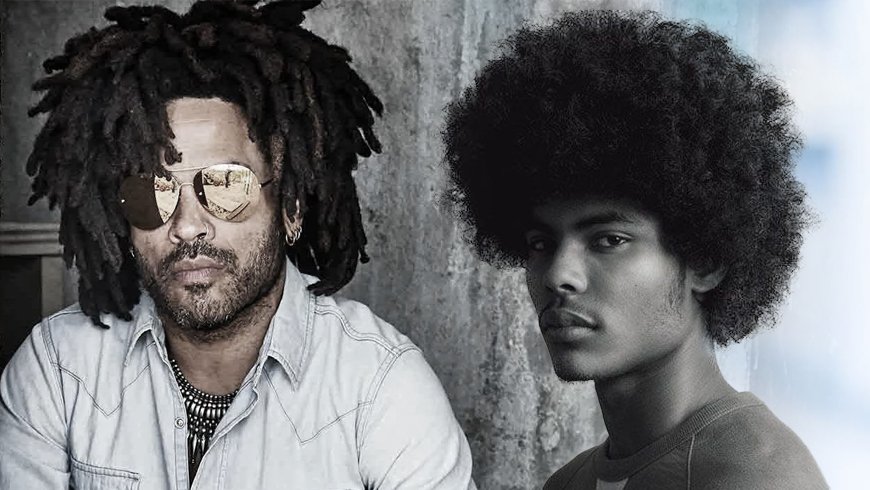
During apartheid in South Africa (1948-1994), the government imposed a ban on certain hairstyles, including dreadlocks and Afros. The government viewed these hairstyles as symbols of resistance to the white-dominated regime, and saw them as a threat to their authority.
The ban was part of a larger effort by the apartheid government to control and suppress black South Africans. The ban on dreadlocks and Afros was just one of many ways in which the apartheid regime sought to impose their will and maintain their power.
Those who chose to wear dreadlocks or Afros despite the ban faced severe consequences, including fines, imprisonment, and even physical violence. Despite the danger, many black South Africans continued to wear these hairstyles as a symbol of their cultural identity and resistance to the apartheid regime.
The ban on dreadlocks and Afros in South Africa serves as an example of how political ideologies and cultural values can impact hairstyles. It also highlights the tension between personal expression and societal norms, and the ways in which political power can be used to control and shape fashion trends.

How to Maintain and Clean Your Hair Clippers for Maximum Performance and Longevity
How to Maintain and Clean Your Hair Clippers for Maximum Performance and Longevity Introduction Hair clippers are an essential tool for barbers, stylists, and people

Curly Haircut Confidence: Embrace Your Natural Curls and Look Amazing
Curly Haircut Enhance Your Look Curly haircuts are a beautiful and unique way to enhance your look. Curly hair can be both a blessing and

10 Amazing Hair Care Historical Facts 10
Mao Zedong banned long hair: During the Cultural Revolution in China, Mao Zedong banned long hair as part of the Communist Party’s efforts to eliminate