
Ottoman Empire Historical Facts 4
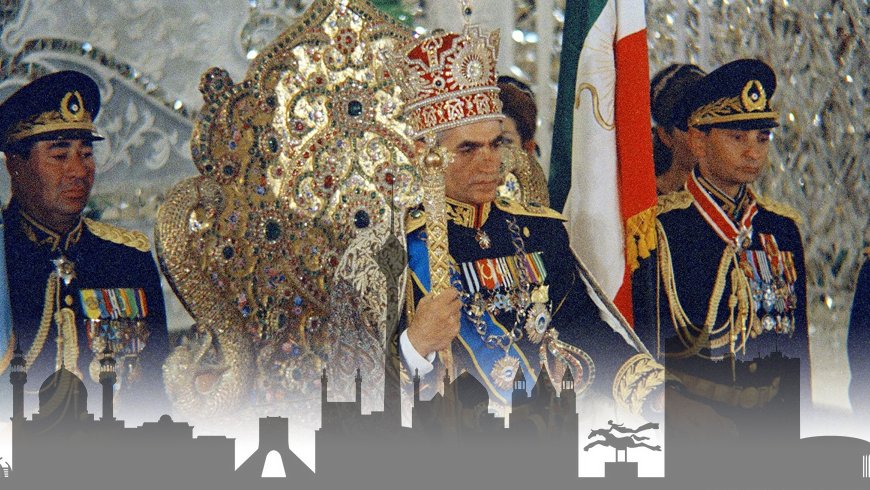
During the Pahlavi dynasty in Iran (1925-1979), the government implemented a series of Westernization efforts aimed at modernizing the country and aligning it with Western norms and values. As part of these efforts, the wearing of beards was banned, as it was seen as an outdated symbol of traditional Iranian culture.
The ban on beards was strictly enforced, and men who disobeyed this rule faced severe consequences. Those who wore beards in defiance of the ban could be fined or even imprisoned, and the ban was seen as a symbol of the government’s commitment to modernizing Iran and breaking with its traditional past.
The ban on beards during the Pahlavi dynasty was part of a larger trend of suppressing traditional cultural practices and promoting Western values in Iran. The Pahlavi dynasty was eventually overthrown in the Iranian Revolution of 1979, and the ban on beards was lifted, but the legacy of this era continues to shape Iranian culture and politics to this day.
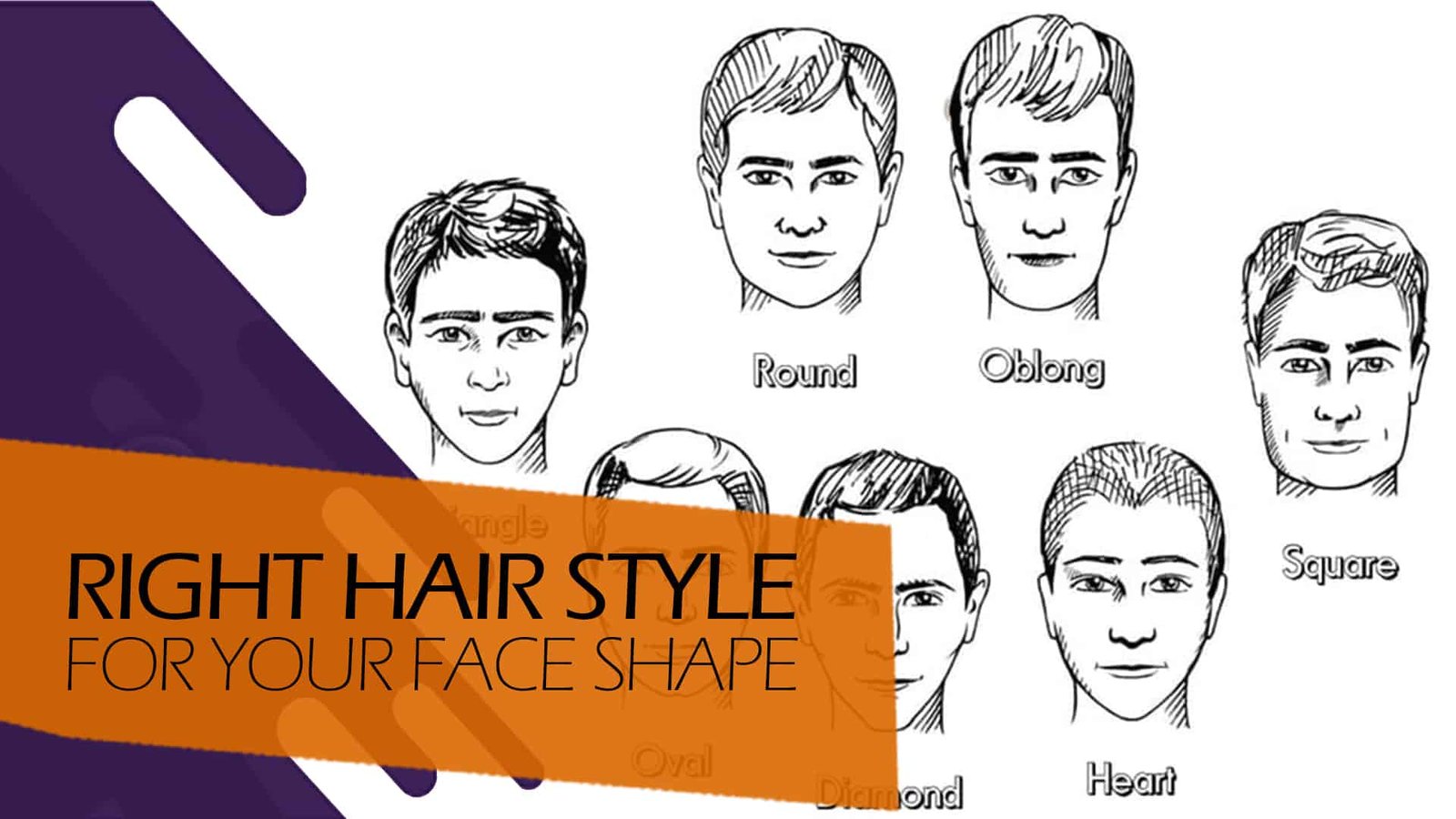
The ban on beards during the Pahlavi dynasty serves as an example of how political ideologies and cultural values can impact the way that men wear their hair and facial hair. It also highlights the tension between traditional cultural practices and the desire to modernize and align with Western norms and values.

10 Amazing Hair Care Historical Facts 2
Ancient Greece Hair style Historical Fact 2 Ancient Greece: In ancient Greece, a man’s hair was seen as a symbol of his status and wealth. Cutting

How to Prevent and Treat Dandruff During and After Pregnancy
Introduction Dandruff is a common scalp condition that causes white flakes of dead skin to appear in the hair and on clothing. It is typically

Modern Women’s Guide: 40 Must-Try Hair Color Trends in 2025
Classic Brunette: Details: Classic Brunette is a timeless deep brown shade that suits women who prefer a natural and sophisticated look. It complements medium to