How to Choose the Right Haircut for Your Face Shape

How to Choose the Right Haircut for Your Face Shape

When it comes to our physical appearance, our hairstyle can significantly impact the way we look and feel. The right haircut can enhance our features, boost our confidence, and even make us look younger. However, choosing the right haircut can be challenging, especially with so many styles to choose from. It’s important to consider several factors, such as hair texture, lifestyle, and face shape, to ensure that you pick a style that complements your features and suits your personality.

Factors to Consider:

Before choosing a haircut, there are several factors you should consider. These include your hair type, lifestyle, and personal preferences. If you have thick, curly hair, you may want to choose a style that will help manage your locks. If you’re always on the go, you might prefer a low-maintenance cut that doesn’t require much styling. Additionally, your hairstyle should reflect your personality and sense of style, whether you prefer a classic, trendy, or edgy look.

Overview of How Face Shape Affects Haircut Choice:

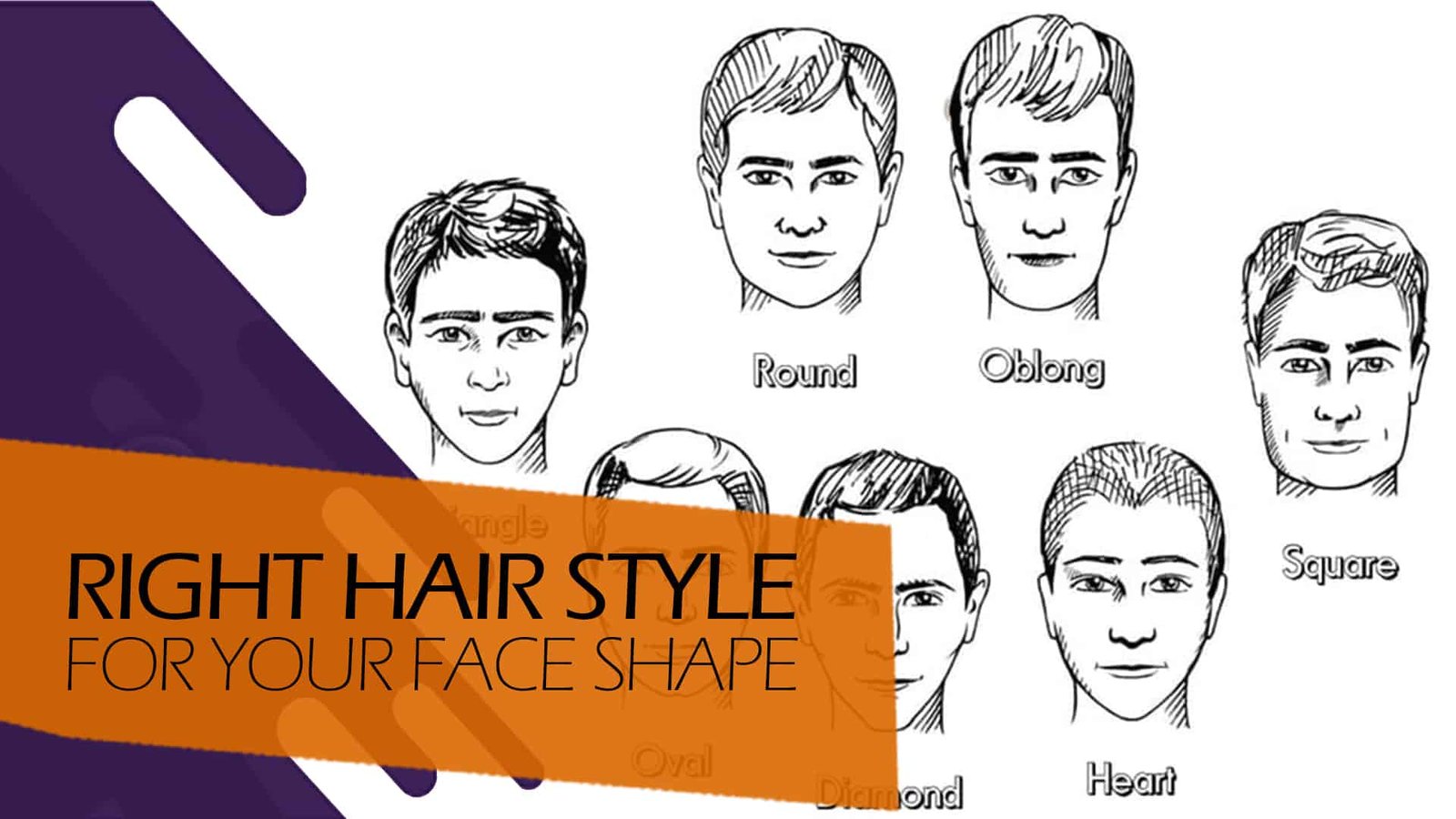
One of the most important factors to consider when choosing a haircut is your face shape. Different face shapes require different haircuts to create a balanced, harmonious look. For instance, a hairstyle that flatters a square face might not look as good on a round face. Some common face shapes include oval, round, square, heart, and diamond, each with its unique characteristics and styling needs. By identifying your face shape, you can choose a haircut that enhances your features and creates a flattering frame for your face.

Face Shapes and Haircuts

Round Face

Face Shapes and Haircuts for a Round Face: When it comes to a round face, the right haircut can do wonders to enhance your features. However, choosing the wrong style can make your face appear even rounder. To avoid this, here are some haircuts to avoid:

  • Heavy, blunt bangs that cut across the forehead,
  • Chin-length bobs, and
  • Straight, long hair that falls on the sides of the face.

On the other hand, haircuts that work well for a round face include layered cuts that frame the face, asymmetrical cuts with side-swept bangs, and long layers that add dimension and movement.

Square Face

A square face shape is characterized by a strong and angular jawline, with the forehead, cheekbones, and jawline all having a similar width. To flatter this face shape, the right haircut can balance out the angles and create a more proportional appearance.

Haircuts To Avoid

Avoid haircuts that emphasize the squareness of the face, such as straight, blunt cuts or hairstyles that end at the jawline. These can make the face appear more boxy and harsh. Similarly, very short haircuts, such as buzz cuts or crew cuts, can further accentuate the sharp angles of the face.

Haircuts That Work Well

Haircuts that soften the squareness of the face work well for square-shaped faces. These include longer hairstyles with layers or texture, such as a messy shag or a layered bob. Side-swept bangs or a center part can help to balance out the features, while hairstyles with volume at the crown can add height and elongate the face. A style that falls just below the jawline or collarbone can also help to create a more balanced appearance.

Oval Face

Haircuts To Avoid:

When it comes to an oval face shape, there are very few haircuts that need to be avoided. In general, this face shape can pull off almost any haircut or style. However, it’s important to avoid having too much volume on the top of the head as it can elongate the face and make it appear unbalanced. Additionally, it’s best to avoid haircuts that cover the forehead as it can make the face appear shorter than it actually is.

Haircuts That Work Well:

The oval face shape is considered to be the most versatile and can look great with a variety of haircuts and styles. The key is to maintain a balance between the different features of the face. For instance, adding layers can help to add volume to the hair while maintaining balance. The ideal haircut for an oval face shape is one that frames the face and highlights its natural features. Some of the best haircuts for an oval face shape include a long bob, layered shag, textured pixie, and blunt bangs.

Heart-Shaped Face

Heart-shaped faces are characterized by a broader forehead and a narrower chin. The aim with haircuts for a heart-shaped face is to create balance and proportion. Certain haircuts can enhance the features of a heart-shaped face, while others can draw attention away from them.

Haircuts To Avoid

Avoid hairstyles that add too much volume to the top of the head as this can make the forehead look wider. Avoid having too much hair around the sides and the top of the face as this can make the chin look even narrower.

Avoid blunt, straight-cut bangs, as these can make the forehead look even wider. Also, avoid hairstyles that are too long, as this can make the chin appear pointy and unbalanced.

Haircuts That Work Well

Haircuts that work well for heart-shaped faces include those that create volume around the chin area to balance the wider forehead. Soft layers and textured cuts can work well to add volume and create movement around the face. Long, side-swept bangs can also help to balance out the face and draw attention away from the forehead.

A shoulder-length cut with layers that start below the chin can help to balance out the face while adding volume to the chin area. A bob with side-swept bangs can also work well for heart-shaped faces. Soft, loose curls can also help to add volume and balance out the features of a heart-shaped face.

Diamond-Shaped Face

Diamond-shaped faces are characterized by narrow foreheads and jawlines with wider cheekbones. Here are some haircuts to consider and avoid if you have a diamond-shaped face:

Haircuts To Avoid:

Avoid haircuts that add volume to the crown of the head, such as blunt bangs or heavy layers. These haircuts can make your forehead appear wider, and your face will look top-heavy.

Haircuts That Work Well:

For diamond-shaped faces, haircuts that add width to the forehead and jawline while slimming down the cheekbones are ideal. Chin-length bobs, soft layers, and side-swept bangs are all great options. Hairstyles that are shorter at the back and longer in the front can also be flattering for diamond-shaped faces. These haircuts can help balance out the face and highlight your cheekbones.

Additional Considerations

 Hair Texture:

The texture of your hair is also an important factor to consider when choosing a haircut. Fine hair will not hold certain styles, while thick hair can be difficult to manage when cut too short. Curly hair requires a specific cut to avoid excessive frizz and maintain a defined shape. So, before selecting a style, it is essential to take into account your hair’s natural texture and how the cut will work with it.

 Hair Type:

In addition to hair texture, hair type is also crucial to consider. For example, if you have oily hair, a style that requires frequent washing may not be practical. On the other hand, if your hair is dry, you may want to avoid styles that require a lot of heat styling. Understanding your hair type can help you choose a style that will be easy to manage and keep healthy.

 Lifestyle:

Your lifestyle should also be taken into account when choosing a haircut. If you’re always on the go and don’t have much time to style your hair, you may want to consider a low-maintenance cut that requires minimal styling. If you have an active lifestyle or play sports, you may want to opt for a shorter style that won’t get in your way.

 Personal Style:

Finally, your personal style should also play a role in your decision. Your haircut is an extension of your personality, so it’s essential to choose a style that reflects who you are. If you prefer a classic, timeless look, a more traditional cut may be a good choice. If you’re more daring and like to stand out, you may want to choose a bolder, edgier style. Whatever your personal style may be, choose a cut that makes you feel confident and comfortable.

Choosing a Hairstylist

When it comes to choosing the right haircut for your face shape, finding the right hairstylist is key. Here are some tips to help you find a stylist who can help you achieve the look you want:

 Research And Referrals

Take the time to do some research before choosing a hairstylist. Look for salons in your area that have good reviews or ask for recommendations from friends or family members with great haircuts.

Communication With The Stylist

Once you’ve found a hairstylist, be sure to communicate clearly about the look you’re going for. Bring pictures or examples to your consultation, and don’t be afraid to speak up if you have concerns or questions.

Tips For A Successful Consultation

To ensure a successful consultation, arrive at the salon with clean, dry hair that is free of styling products. Be prepared to discuss your hair history, maintenance routine, and any specific concerns you have. Listen to the stylist’s recommendations and ask for clarification if needed.

By finding a hairstylist who understands your hair and listens to your needs, you’ll be well on your way to choosing the perfect haircut for your face shape.

Maintenance and Styling Tips

To keep your hair looking its best, it’s important to follow some maintenance and styling tips. One of the most important things you can do is to get regular trims to keep your hair healthy and prevent split ends. The frequency of trims will depend on the rate of your hair growth and the style you have, but in general, it’s recommended to get a trim every six to eight weeks.

Using the right styling products and techniques can also help you achieve the look you want. Your hairstylist can recommend the best products for your hair type and style. You may need to experiment with a few different products to find what works best for you. Additionally, learning the right techniques for blow-drying, straightening, or curling your hair can help you achieve the desired style.

In between appointments, it’s important to maintain your haircut by taking care of your hair at home. This includes using products that are suited to your hair type, avoiding excessive heat styling, and protecting your hair from the sun and other environmental stressors. With the right care and maintenance, your haircut can continue to look great until your next appointment.

Conclusion In conclusion, choosing the right haircut for your face shape can make a big difference in your overall appearance. By considering factors such as your face shape, hair texture, and personal style, you can select a haircut that enhances your best features and complements your unique look. Remember to do your research, seek referrals, and communicate clearly with your hairstylist to achieve the best possible result. Don't be afraid to try something new and experiment with different styles. With the right haircut, you can feel confident and stylish every day. Whether you opt for a classic look or a bold new trend, the key is to choose a haircut that makes you feel comfortable and confident in your own skin. So, go ahead and book that appointment with your stylist – your perfect haircut is waiting for you!
No More Hair Loss: Expert Tips for Maintaining Beautiful, Healthy Hair

Prevent Hair Loss Tips for Maintaining Healthy Hair

Causes and Solutions

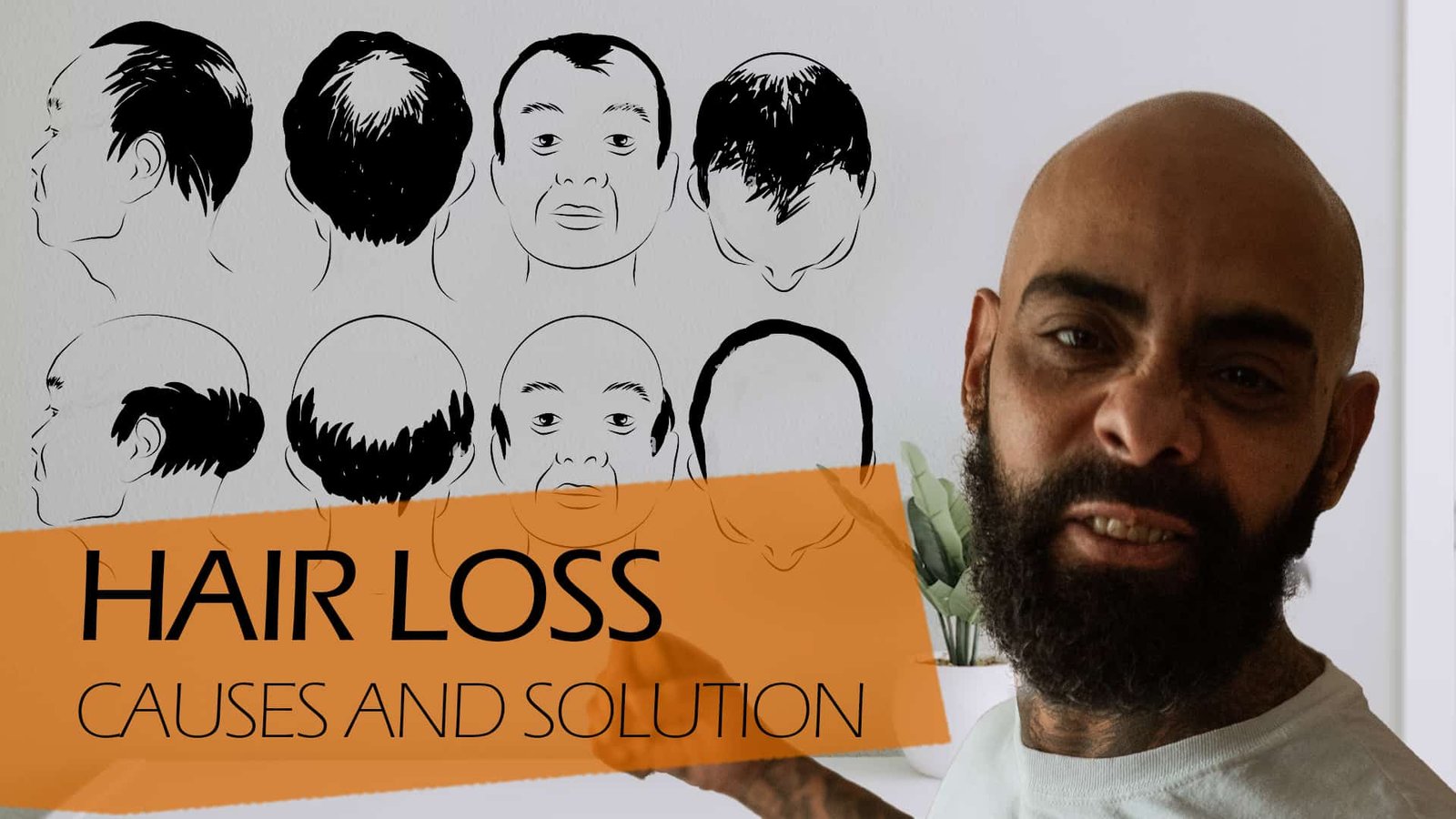
Hair loss is a common concern among men, affecting up to 50% of men worldwide. It can be caused by a variety of factors, including genetics, hormonal changes, stress, and environmental factors. Losing hair can be distressing and can affect a man’s confidence and self-esteem. That’s why it’s important to take steps to prevent hair loss and promote healthy hair growth. In this article, we will explore the causes of hair loss in men and provide solutions for preventing and managing it. Whether you are experiencing hair loss or want to prevent it, this guide is for you.

Causes of Men’s Hair Loss

Hair loss is a common problem faced by many men. The causes of hair loss can be varied, ranging from genetics and hormonal imbalances to nutritional deficiencies and medical treatments. In this article, we will take a closer look at these causes and explore some solutions to prevent hair loss.

  1. Genetics and Heredity One of the most common causes of hair loss in men is genetics and heredity. Male pattern baldness, also known as androgenetic alopecia, is a genetic condition that affects over 50 million men in the United States alone. This condition is caused by a combination of genetic and hormonal factors and can be inherited from either the mother’s or father’s side of the family.
  2. Hormonal Imbalances Hormonal imbalances can also lead to hair loss in men. Dihydrotestosterone (DHT) is a hormone that is known to cause hair loss by shrinking hair follicles. This hormone is produced naturally by the body and can be converted from testosterone. As men age, their levels of testosterone can decrease, leading to an increase in DHT levels and a higher risk of hair loss.
  3. Nutritional Deficiencies Nutritional deficiencies can also contribute to hair loss in men. A lack of certain vitamins and minerals, such as biotin, vitamin D, iron, and zinc, can lead to hair thinning and loss. It is important to ensure that you are getting enough of these essential nutrients in your diet or through supplements.
  4. Medications and Medical Treatments Certain medications and medical treatments can also cause hair loss in men. Chemotherapy, radiation therapy, and other cancer treatments are known to cause hair loss as a side effect. Other medications, such as blood thinners, antidepressants, and steroids, can also contribute to hair loss.
  5. Stress and Anxiety Stress and anxiety can also be contributing factors to hair loss in men. When the body is under stress, it produces a hormone called cortisol, which can affect the health of hair follicles. Stress can also lead to poor sleep and unhealthy lifestyle habits, such as a poor diet, which can further contribute to hair loss.

In conclusion, hair loss is a common problem for many men, but there are solutions available to prevent or slow down the process. By understanding the causes of hair loss and taking steps to address them, men can maintain healthy and full hair. Some solutions include medications, lifestyle changes, and hair transplant surgery. It is important to consult with a doctor or hair loss specialist to determine the best course of action for your individual needs.

Solutions to Prevent Hair Loss

Diet and Nutrition

Hair loss can be prevented and treated by making changes in your diet and incorporating certain foods and supplements into your routine. A healthy diet is essential for maintaining good hair health. Here are some ways you can use your diet to help prevent hair loss.

The Role of a Healthy Diet in Preventing Hair Loss:

Eating a healthy, balanced diet is one of the most important things you can do to prevent hair loss. Nutrients like protein, vitamins, and minerals are essential for healthy hair growth, and a deficiency in any of these can lead to hair loss.

Foods to Incorporate Into Your Diet for Healthy Hair:

Incorporating specific foods into your diet can help promote hair growth and prevent hair loss. Foods that are high in protein, such as lean meats, fish, and legumes, are great for hair growth. Other foods that are beneficial for hair health include leafy green vegetables, nuts, and seeds, which are rich in vitamins and minerals like iron, vitamin C, and biotin.

Nutritional supplements that can support hair health:

In addition to a healthy diet, certain nutritional supplements can help support hair health and prevent hair loss. Biotin, zinc, and iron are all essential nutrients for healthy hair growth and can be found in many hair supplements. Other supplements, like saw palmetto and pumpkin seed oil, may also help prevent hair loss by reducing DHT, a hormone that can contribute to hair loss in men.

Lifestyle Changes

The effects of stress and anxiety on hair loss:

Stress and anxiety can lead to hair loss in men. The body’s response to stress is to release a hormone called cortisol, which can cause hair loss when produced in excess. Anxiety can also cause hair loss, as people tend to pull out their hair or rub their scalp vigorously in response to stress. Therefore, it’s important to identify and manage stress and anxiety in your life.

Techniques for managing stress and reducing anxiety:

There are many ways to manage stress and reduce anxiety. Some techniques include meditation, yoga, deep breathing exercises, mindfulness, and therapy. Taking time to engage in hobbies and spending time with loved ones can also help reduce stress and anxiety.

The Benefits of Regular Exercise on Hair Health:

Regular exercise is not only good for your overall health, but it can also benefit the health of your hair. Exercise helps increase blood flow and circulation, delivering more oxygen and nutrients to the hair follicles. This can promote hair growth and reduce hair loss. It’s important to find an exercise routine that works for you and to stick with it consistently.

Hair Care

Choosing The Right Hair Care Products for Your Hair Type

It is important to choose hair care products that suit your hair type to prevent hair loss. Look for products that are labeled as “for men” and “for hair loss prevention.” Avoid using harsh products that can damage your hair and scalp. Choose products with natural ingredients, such as tea tree oil, which can promote hair growth and reduce inflammation.

Tips for shampooing and conditioning your hair

Shampoo your hair regularly to keep your scalp clean and healthy. However, avoid over-washing your hair, as this can strip it of natural oils that protect and nourish your hair. Use a gentle, sulfate-free shampoo and a moisturizing conditioner. Avoid using hot water to wash your hair, as it can damage hair follicles and lead to hair loss.

Avoiding heat and chemical damage to your hair

Using heat styling tools and chemical treatments, such as hair dye and bleach, can damage your hair and cause it to fall out. If you must use these products, use them sparingly and with caution. Always use a heat protectant spray before using hot styling tools, and avoid using them at high temperatures. Consider switching to natural hair dyes and avoiding harsh chemicals to minimize damage to your hair.

Medical Treatments

When lifestyle changes, diet, and hair care do not work, medical treatments may be necessary to prevent hair loss. There are different options for hair loss treatment, such as medications and procedures, that can be effective for some men.

Medications and procedures for treating hair loss:

Medications such as Minoxidil and Finasteride have been approved by the FDA to treat hair loss in men. Minoxidil is a topical medication that stimulates hair growth, while Finasteride is an oral medication that reduces the production of DHT, a hormone that causes hair loss. Other treatments include corticosteroids, which are anti-inflammatory drugs that can be injected into the scalp, and low-level laser therapy, which uses light energy to stimulate hair growth.

The Benefits and Risks of Medical Treatments for Hair Loss:

While medical treatments can be effective, they also come with risks and potential side effects. For example, Minoxidil and Finasteride can cause scalp irritation and sexual dysfunction, respectively. Corticosteroid injections can cause pain and atrophy of the scalp, and low-level laser therapy can be expensive and time-consuming. It’s important to discuss the potential benefits and risks of any medical treatment with a healthcare professional before proceeding.

In conclusion, hair loss is a common problem that can have a significant impact on a man’s self-esteem and confidence. While genetics and heredity play a role in hair loss, there are also lifestyle factors that can be modified to prevent or slow down hair loss. By making changes to diet, exercise, stress management, hair care, and considering medical treatments, men can take proactive steps to preserve their hair and maintain a healthy head of hair.

In conclusion, hair loss can be a distressing experience for men. However, taking the right steps can help prevent or reduce hair loss and promote healthier hair. A healthy diet and lifestyle, coupled with good hair care practices, are key to preventing hair loss. In addition, medical treatments are available to those who need more advanced care. It is essential to take action to improve the health and appearance of your hair. Don't hesitate to try some of these solutions and take control of your hair health. With the right approach, you can maintain a full and healthy head of hair for years to come. Remember, prevention is better than cure, and taking care of your hair today will pay dividends in the future.

Healthy Hair, Happy You: Top Tips for Maintaining Beautiful Locks

Tips for Maintaining Healthy Hair

Why is it important to take care of your hair?

Taking care of your hair is important for several reasons. For one, healthy hair can improve your appearance and boost your confidence. It also helps prevent hair damage and loss, which can be caused by factors such as excessive heat, harsh chemicals, and poor nutrition. Additionally, a healthy scalp can reduce dandruff and other scalp problems, leading to healthier, more comfortable hair.

What are some common hair problems men face?

Men can experience a variety of hair problems, such as hair loss, thinning, breakage, and dandruff. These problems can be caused by several factors, including genetics, age, stress, poor nutrition, and the use of harsh hair products. In addition, men who have longer hair may struggle with issues such as tangles, split ends, and frizz. By taking steps to maintain healthy hair, men can prevent or minimize these issues.

Tips for Maintaining Healthy Hair as a Man

How often should I wash my hair?

It is recommended to wash your hair every 2-3 days. Washing your hair too frequently can strip it of its natural oils, leading to dryness and damage.

What kind of shampoo should I use?

The kind of shampoo you should use depends on your hair type and concerns. If you have oily hair, choose a clarifying shampoo that removes excess oil. If you have dry hair, choose a moisturizing shampoo that adds hydration.

How can I prevent hair loss?
Hair loss can be caused by a variety of factors, including genetics, stress, and poor nutrition. To prevent hair loss, maintain a healthy diet, reduce stress, and avoid using harsh chemicals on your hair.

How can I promote hair growth?

To promote hair growth, maintain a healthy diet rich in vitamins and minerals such as biotin, iron, and zinc. Use a gentle shampoo and conditioner, and avoid using heat styling tools and harsh chemicals.

How often should I trim my hair?

It is recommended to trim your hair every 6-8 weeks to prevent split ends and promote healthy growth.

How can I style my hair without damaging it?

To style your hair without damaging it, avoid using heat styling tools as much as possible. Use a wide-toothed comb or a boar bristle brush to detangle your hair, and opt for hairstyles that don’t require too much pulling or tugging.

What kind of diet is good for healthy hair?

A diet rich in protein, omega-3 fatty acids, and vitamins such as biotin, iron, and zinc can help promote healthy hair. Foods such as eggs, fish, nuts, and leafy greens are all good options for healthy hair.

Should I use a conditioner?

Yes, using a conditioner after shampooing can help keep your hair moisturized and prevent damage. Look for a conditioner that is specifically formulated for your hair type.

Is it bad to use hair products every day?

It depends on the product and your hair type. Some products, like leave-in conditioners or serums, can be used daily without causing damage. However, using heavy styling products like gels or waxes every day can cause build-up and damage over time. It’s best to limit use of these products to a few times a week.

Can I use the same hair products as my partner or family members?

It’s best to choose hair products that are specifically formulated for your hair type and needs. While some products may work for multiple people, everyone’s hair is different and may require different products to maintain its health.

How can I protect my hair from heat damage?

Using a heat protectant spray or serum before using hot tools like hair dryers, straighteners, or curling irons can help prevent heat damage. It’s also important to use these tools on a lower heat setting and avoid using them every day.

What should I do if I have dandruff?

Dandruff is a common condition that can be treated with anti-dandruff shampoos. Look for shampoos that contain ingredients like salicylic acid or coal tar, which can help reduce dandruff flakes and soothe the scalp. If your dandruff persists, it’s best to see a dermatologist for further treatment options.

How can I prevent dandruff?

Dandruff is caused by the overgrowth of a fungus on the scalp. To prevent dandruff, it’s important to maintain good scalp hygiene. This includes washing your hair regularly with an anti-dandruff shampoo and thoroughly rinsing it out. Avoid using hot water and harsh shampoos as they can dry out your scalp. Additionally, you can try using a scalp brush to gently massage and exfoliate your scalp, and avoid wearing hats or other head coverings for extended periods.

What are some natural remedies for healthy hair?

There are many natural remedies that can help promote healthy hair. One popular option is to use essential oils, such as peppermint, rosemary, or lavender, which can be applied directly to the scalp to stimulate hair growth and improve scalp health. Another option is to use a hair mask made from ingredients such as avocado, coconut oil, or honey, which can help moisturize and strengthen your hair. Additionally, you can try incorporating foods rich in vitamins and minerals, such as leafy greens, eggs, and nuts, into your diet to support healthy hair.

How can I protect my hair from heat damage?

Heat styling tools such as flat irons, curling irons, and hair dryers can cause damage to your hair. To protect your hair from heat damage, it’s important to use a heat protectant product before styling your hair. Additionally, try to avoid using high heat settings and limit the amount of time you use heat styling tools on your hair. It’s also a good idea to let your hair air dry whenever possible and to avoid using hot water when washing your hair.

What is the best way to dry my hair after washing it?

The best way to dry your hair after washing it is to gently pat it with a soft towel to remove excess water. Avoid rubbing your hair vigorously with a towel, as this can cause damage and breakage. Once you have removed the excess water, allow your hair to air dry naturally or use a hair dryer on a low heat setting. Be sure to keep the hair dryer at least six inches away from your hair to prevent damage.

How often should I use hair products like gel or hairspray?

It’s best to use hair products like gel or hairspray in moderation, as using them too often can cause buildup on your scalp and hair, which can lead to dandruff or other scalp issues. It’s generally recommended to use these products no more than once a day and to wash them out thoroughly before going to bed.

Is it important to use a conditioner after shampooing?

Yes, it is important to use a conditioner after shampooing as it helps to moisturize and protect your hair from damage. Conditioner works by sealing the hair cuticle, which helps to prevent breakage and keep your hair healthy and shiny. Be sure to choose a conditioner that is appropriate for your hair type and to apply it evenly throughout your hair.

What are some common mistakes men make when caring for their hair?

One common mistake men make when caring for their hair is over-washing it. This can strip your hair of its natural oils, leaving it dry and brittle. Another mistake is using hot water when washing their hair, which can also dry out the scalp and lead to dandruff. Additionally, some men may use hair products that are not appropriate for their hair type, or may not use a heat protectant when using heat styling tools, which can cause damage to the hair.

Can stress affect the health of my hair?

Yes, stress can affect the health of your hair. When you are stressed, your body produces a hormone called cortisol, which can impact the health of your hair follicles and lead

Taking care of your hair is not only important for your appearance but also for your overall health. By following these tips and incorporating them into your hair care routine, you can promote healthy hair growth, prevent hair loss, and avoid common hair problems. It is important to remember to choose the right products for your hair type, follow product instructions, and incorporate a healthy diet into your routine. Start taking care of your hair today to maintain healthy, strong, and stylish hair. By investing time and effort into your hair care routine, you can achieve the look you desire while also keeping your hair healthy and nourished.

How to Choose the Best Hair Products for Your Hair Type

How to Choose the Best Hair Products for Your Hair Type

The world of hair care products can be overwhelming, with countless options available on the market. Choosing the right products for your hair type and needs is essential to maintain healthy, luscious locks. In this blog post, we will discuss the importance of choosing the best hair products for your hair type and provide tips to help you make the right decision.

Using the right hair products is essential for maintaining healthy hair. Different hair types have specific needs that must be addressed to keep them looking their best. Choosing the wrong products can result in dry, brittle hair or an oily, greasy scalp. Understanding your hair type and its specific needs is crucial when selecting hair care products. So, let’s dive in and learn how to choose the best hair products for your hair type.

Understanding Your Hair Type

Hair types can be broadly classified into four categories – straight, wavy, curly, and coily. Each hair type has its unique characteristics, such as texture, thickness, and curl pattern. Understanding your hair type is the first step in choosing the best hair care products for your hair.

To determine your hair type, you need to look at its texture, thickness, and curl pattern. Straight hair is typically thin and has no curls or waves. Wavy hair has a slight curl pattern and can be fine or thick. Curly hair is more defined in its curl pattern and has more volume than wavy hair. Coily hair is the most tightly curled and has a distinct pattern, often referred to as a “Z” shape.

Your hair type affects the type of hair care products you need to use. For example, straight hair tends to be oily and requires shampoos that are gentle and will not weigh it down. Wavy hair, on the other hand, can be dry, so a hydrating shampoo and conditioner are recommended. Curly hair is often dry and requires moisture-rich products that will define and enhance its natural curl pattern. Coily hair is also prone to dryness and requires a lot of moisture and deep conditioning.

Understanding your hair type is crucial to finding the best hair products for your needs. Once you have determined your hair type, you can start exploring the best hair products for your hair type.

Identifying Your Hair Concerns

When it comes to choosing the best hair products, it’s important to consider your specific hair concerns. Some of the most common hair concerns include dryness, damage, frizz, and thinning hair. By identifying your specific hair concerns, you can choose products that will best address those concerns and give you the best results.

Firstly, let’s take a look at dry hair. Dry hair can be caused by many factors, including over-styling, exposure to heat and harsh chemicals, and even genetics. If you have dry hair, you may want to look for products that contain natural oils like coconut oil, argan oil, or jojoba oil. These oils are great for hydrating and moisturizing hair, leaving it feeling soft and smooth.

Next up is damaged hair. If you have hair that is damaged from excessive heat styling, coloring, or chemical treatments, you will want to look for products that contain ingredients that can repair and strengthen your hair. Ingredients like keratin, biotin, and collagen can help repair damaged hair and improve its overall health and appearance.

Frizzy hair can be a challenge to manage, especially in humid weather. If you have frizzy hair, you may want to look for products that contain ingredients like shea butter or glycerin, which can help smooth and control frizz. Additionally, look for products with low alcohol content, as alcohol can actually dry out hair and make frizz worse.

Finally, if you have thinning hair or are experiencing hair loss, you will want to look for products that contain ingredients like biotin, saw palmetto, and minoxidil. These ingredients can help promote hair growth and prevent further hair loss.

When selecting products based on your hair concerns, it’s important to read labels carefully and choose products that are specifically formulated for your hair type and concerns. By doing so, you can help ensure that you are using the best products to address your specific hair concerns and achieve the best possible results.

Ingredients to Look for and Avoid

How to Choose the Best Hair Products for Your Hair Type

Ingredients to Look for and Avoid

Choosing the right hair products can be overwhelming, especially when it comes to deciphering ingredient labels. It’s essential to know which ingredients are beneficial for your hair type and which ones to avoid. In this section, we will discuss the common ingredients to look for and avoid when choosing hair products.

A. Look for natural oils and proteins.

Natural oils, such as coconut oil and argan oil, are excellent for hair as they provide nourishment, hydration, and help to combat dryness. Similarly, proteins, such as keratin and collagen, can help strengthen hair and prevent breakage. These ingredients are especially beneficial for those with dry, damaged, or brittle hair.

B. Understand the benefits of ingredients for different hair types.

Different hair types require different ingredients to stay healthy and nourished. For instance, curly hair types can benefit from ingredients that provide moisture and define curls, such as shea butter or glycerin. Whereas, fine hair types may benefit from lightweight ingredients that provide volume and lift, such as rice protein or silk amino acids.

C. Avoid sulfates and parabens.

Sulfates are commonly used in shampoos to create a lather and can strip the hair of natural oils, leading to dryness and damage. Parabens, on the other hand, are used as a preservative in hair products but can disrupt the body’s hormonal balance. It’s best to avoid both these ingredients and opt for natural alternatives.

D. Understand the harm caused by harmful ingredients.

Harmful ingredients like sulfates and parabens can cause significant damage to hair and scalp health. Sulfates can cause dryness, frizziness, and irritation, while parabens can cause allergic reactions, skin irritation, and hormonal disruptions. By avoiding these ingredients and choosing natural alternatives, you can ensure the health and safety of your hair and scalp.

In conclusion, understanding which ingredients to look for and avoid is crucial when choosing the best hair products for your hair type. By paying attention to ingredient labels and opting for natural and beneficial ingredients, you can maintain healthy, strong, and beautiful hair.

Choosing the Right Products for Your Hair Type

Choosing the Right Products for Your Hair Type

When it comes to choosing the right hair products, it’s important to consider your hair type and concerns. Here’s a breakdown of different types of hair products and how to choose the right ones for your hair:

A. List of different types of hair products To choose the right products, it’s important to know the different types of hair products available. These include:

  • Shampoo
  • Conditioner
  • Leave-in conditioner
  • Hair oil
  • Hair serum
  • Hair mask
  • Styling products (e.g. gel, mousse, hairspray)

B. How to choose the right products for your hair type and concerns The first step is to identify your hair type and concerns, as discussed in previous sections. Once you know your hair type and concerns, you can choose products that address those specific needs.

For example, if you have dry hair, you may want to choose a moisturizing shampoo and conditioner. If you have curly hair, you may want to choose a leave-in conditioner or hair oil to help define your curls. If you have fine hair, you may want to choose lightweight styling products that won’t weigh your hair down.

C. Recommendations for different hair types and concerns Here are some recommendations for different hair types and concerns:

  • Dry Hair: Look for moisturizing shampoos and conditioners that contain natural oils like argan or coconut oil.
  • Oily Hair: Look for clarifying shampoos that can help remove excess oil from your hair.
  • Curly Hair: Look for leave-in conditioners or hair oils to help define your curls and reduce frizz.
  • Fine Hair: Look for lightweight styling products, like mousses or sprays, that won’t weigh your hair down.
  • Color-treated hair: Look for products specifically formulated for color-treated hair, as they can help preserve your color and prevent fading.

Remember, it’s important to choose products that are specifically tailored to your hair type and concerns to get the best results.

Tips for Using Hair Products

A. Following product instructions is essential to ensure that you are using the product effectively and safely. The instructions provide information on how much to use, how often to use, and how to apply the product properly.

B. To use hair products effectively, start by applying the product to damp hair. This will help the product to distribute evenly throughout the hair. Use a small amount of the product at first and add more if needed. For styling products, make sure to evenly distribute the product throughout the hair, and avoid applying too much in one area.

C. Incorporating hair products into your hair care routine can help you achieve better results. Start by choosing products that are suitable for your hair type and concerns. Use shampoo and conditioner every time you wash your hair, and use styling products as needed. It’s also important to avoid using too many products at once, as this can weigh down your hair and cause buildup.

In conclusion, choosing the right hair products is essential for maintaining healthy and beautiful hair. By understanding your hair type, identifying your hair concerns, and knowing which ingredients to look for and avoid, you can make informed decisions when selecting hair products. It is also important to follow product instructions and use products effectively, incorporating them into your hair care routine. By following these tips and recommendations, you can achieve the best results for your hair. Remember, using the right hair products can lead to better hair health and appearance. So, be sure to choose wisely and enjoy the benefits of healthy, beautiful hair.

Why More Men Are Turning to Natural Hair Products: The Benefits You Need to Know

Benefits of Using Natural Hair Products for Men

Natural hair products for men have become increasingly popular in recent years, as more men are looking to avoid synthetic ingredients and harmful chemicals in their hair care routine. The use of natural hair products can offer a range of benefits, from promoting hair health to protecting the environment. In this blog post, we will explore the advantages of using natural hair products for men and provide tips on how to choose the right products for your hair type and individual needs.

As men’s hair care continues to evolve, it is essential to use products that will provide the best results for healthy and nourished hair. Many natural hair products contain ingredients derived from nature, such as plant extracts, essential oils, and natural butters. These ingredients are free from harsh chemicals that can strip hair of its natural oils, cause dryness and breakage, and harm the environment.

The purpose of this blog post is to provide information on the benefits of using natural hair products for men, the types of natural hair products available, and how to choose the right products for your hair type and individual needs. By the end of this post, you will have a better understanding of why natural hair products are a smart choice for men and how to incorporate them into your hair care routine for optimal hair health and styling results.

What are Natural Hair Products?

Natural hair products are hair care products that are made from natural, plant-based ingredients and do not contain synthetic or chemical additives. These products are made with ingredients like essential oils, plant extracts, and natural butters that are derived from nature, rather than being synthesized in a lab. The use of natural hair products has gained popularity in recent years due to concerns about the negative effects of synthetic products on hair health and the environment.

One of the main benefits of using natural hair products over synthetic products is that natural products are less harsh on the hair and scalp. Synthetic hair products often contain ingredients that can be damaging to hair health, causing dryness, breakage, and scalp irritation. In contrast, natural hair products are formulated with gentle, natural ingredients that nourish and protect hair, promoting healthy growth and shine.

Another benefit of using natural hair products is their environmental impact. Many synthetic hair products contain ingredients that are harmful to the environment, such as parabens, sulfates, and phthalates. These chemicals can pollute waterways and harm aquatic life. In contrast, natural hair products are made with sustainably sourced ingredients that are better for the environment and have a lower carbon footprint.

In summary, natural hair products offer a range of benefits over synthetic products. They are gentler on the hair and scalp, promote healthy hair growth and shine, and are better for the environment. By choosing natural hair products, men can care for their hair while minimizing their impact on the planet.

Benefits of Using Natural Hair Products for Men

  • Using natural hair products can provide several benefits for men’s hair. One of the main benefits of natural hair products is that they contain fewer harmful chemicals than synthetic hair products. Chemicals like sulfates and parabens are often found in conventional hair products and can cause damage to hair and scalp. Sulfates, for example, can strip the hair of its natural oils, leaving it dry and prone to breakage. Parabens, on the other hand, have been linked to hormone disruption and other health issues. By using natural hair products, men can avoid these harmful ingredients and reduce the risk of damaging their hair.
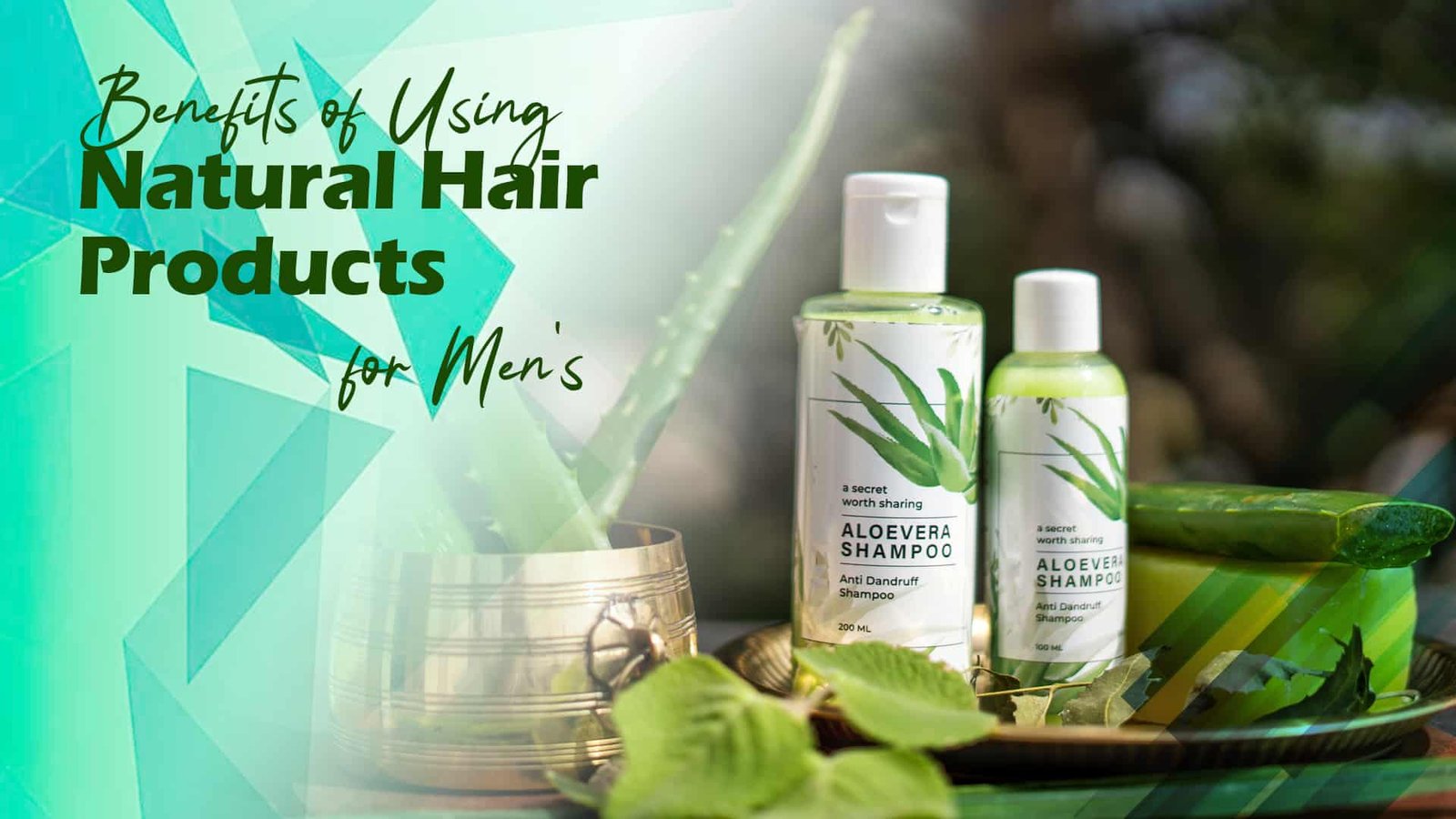
  • In addition to being less harmful to hair, natural hair products are often made with ingredients that are nourishing for the hair and scalp. Many natural hair care products contain natural oils and extracts that can help to moisturize and strengthen the hair. For example, coconut oil is a popular natural ingredient in hair care products, as it can help to nourish and condition the hair. Aloe vera is another popular ingredient that is often used in natural hair care products, as it can help to soothe the scalp and promote hair growth.
  • Another benefit of using natural hair products for men is that they are often better for the environment. Many conventional hair care products contain synthetic ingredients that can be harmful to the environment. Natural hair care products, on the other hand, are often made with sustainable and eco-friendly ingredients that are better for the planet. Additionally, many natural hair care brands are committed to being cruelty-free, which means that they do not test their products on animals.
  • In summary, using natural hair products can provide several benefits for men’s hair. They contain fewer harmful chemicals, are often made with nourishing ingredients, and are better for the environment. If you’re looking to switch to natural hair care products, be sure to do your research and find products that are specifically formulated for your hair type and concerns.

Types of natural hair products for men

When it comes to natural hair products for men, there are several types of products available, including shampoos, conditioners, and styling products.

Natural Shampoos:

  1. Natural shampoos are formulated with natural ingredients like essential oils, herbal extracts, and natural cleansers. They are free from harsh chemicals like sulfates and parabens, which can strip the hair of its natural oils, leaving it dry and brittle. Instead, they contain ingredients that are gentle and effective at cleansing the hair and scalp, leaving them nourished and refreshed. Some popular natural shampoo brands for men include Baebody, Maple Holistics, and Brickell.

Natural Conditioners:

  1. Natural conditioners are formulated with ingredients like natural oils, plant extracts, and essential fatty acids that help to nourish the hair and scalp. They can help to restore the hair’s natural moisture balance, leaving it soft, shiny, and healthy. Natural conditioners are free from harsh chemicals like silicones and synthetic fragrances, which can cause scalp irritation and hair damage. Some popular natural conditioner brands for men include Acure, Shea Moisture, and Pacifica.

Natural Styling Products:

  1. Natural styling products for men include hair gel, pomade, and hair wax. These products are formulated with natural ingredients like beeswax, essential oils, and natural emulsifiers. They provide a natural hold without the use of harsh chemicals like PVP, which can damage the hair and cause scalp irritation. Natural styling products are also free from synthetic fragrances and artificial colors, making them a great choice for men with sensitive skin. Some popular natural styling product brands for men include Every Man Jack, Old Spice, and American Crew.

In conclusion, natural hair products for men are a great choice for those who want to maintain healthy, nourished hair without exposing themselves to harsh chemicals. Natural shampoos, conditioners, and styling products are formulated with natural ingredients that provide gentle, effective cleansing and nourishment, leaving the hair and scalp healthy and refreshed. When choosing natural hair products, be sure to look for products that are specifically formulated for your hair type and concerns.

How to Choose the Right Natural Hair Products

When it comes to choosing the right natural hair products, it’s important to keep in mind that not all products are created equal. Different hair types and concerns require different products, and it’s important to choose products that are tailored to your individual needs. Here are some tips for finding the right natural hair products for you:

Identify Your Hair Type and Concerns:

Before choosing any hair product, it’s important to understand your hair type and any specific concerns you may have. Is your hair oily, dry, or normal? Do you have dandruff or an itchy scalp? Are you experiencing hair loss or thinning? Knowing your hair type and concerns can help you choose products that are specifically formulated to address your unique needs.

Read Product Labels:

When choosing natural hair products, it’s important to read the labels and understand what ingredients are in the product. Look for products that are free from harsh chemicals like sulfates and parabens, and that contain natural ingredients like essential oils, natural cleansers, and plant extracts. Avoid products that contain synthetic fragrances, artificial colors, and other harmful chemicals.

Consider your Styling Needs:

If you use styling products, it’s important to choose natural options that are suited to your needs. If you want a natural hold, look for products like hair wax or pomade that contain natural ingredients like beeswax and essential oils. If you want to add volume to your hair, look for natural products that contain volumizing ingredients like sea salt or chamomile.

Research Brands:

When choosing natural hair products, it’s important to research the brands that you’re considering. Look for brands that are transparent about their ingredients and manufacturing processes, and that have a reputation for producing high-quality natural products. You can also look for reviews from other customers to see what their experiences have been with a particular brand or product.

In conclusion, choosing the right natural hair products requires a bit of research and understanding of your individual hair type and concerns. By following these tips and doing your research, you can find natural hair products that are suited to your needs and that will help you achieve healthy, nourished hair.

In conclusion, natural hair products offer several benefits that synthetic products do not. They are less harmful to hair, nourishing for hair and scalp, and better for the environment. Additionally, there are many different types of natural hair products available, including shampoos, conditioners, and styling products. Choosing the right natural hair product is important, as it should be suitable for an individual's hair type and needs. Consider factors such as hair texture, scalp condition, and styling preferences when selecting the product. Reading labels and doing research on the brand can also help in choosing the right natural hair product. It is highly recommended to give natural hair products a try and see the difference it can make. By switching to natural hair products, you can improve the health of your hair and scalp, while also supporting eco-friendly and ethical practices. So, it's time to embrace the natural way and take the first step towards a healthier hair care routine.