

Ottoman Empire Historical Facts 3
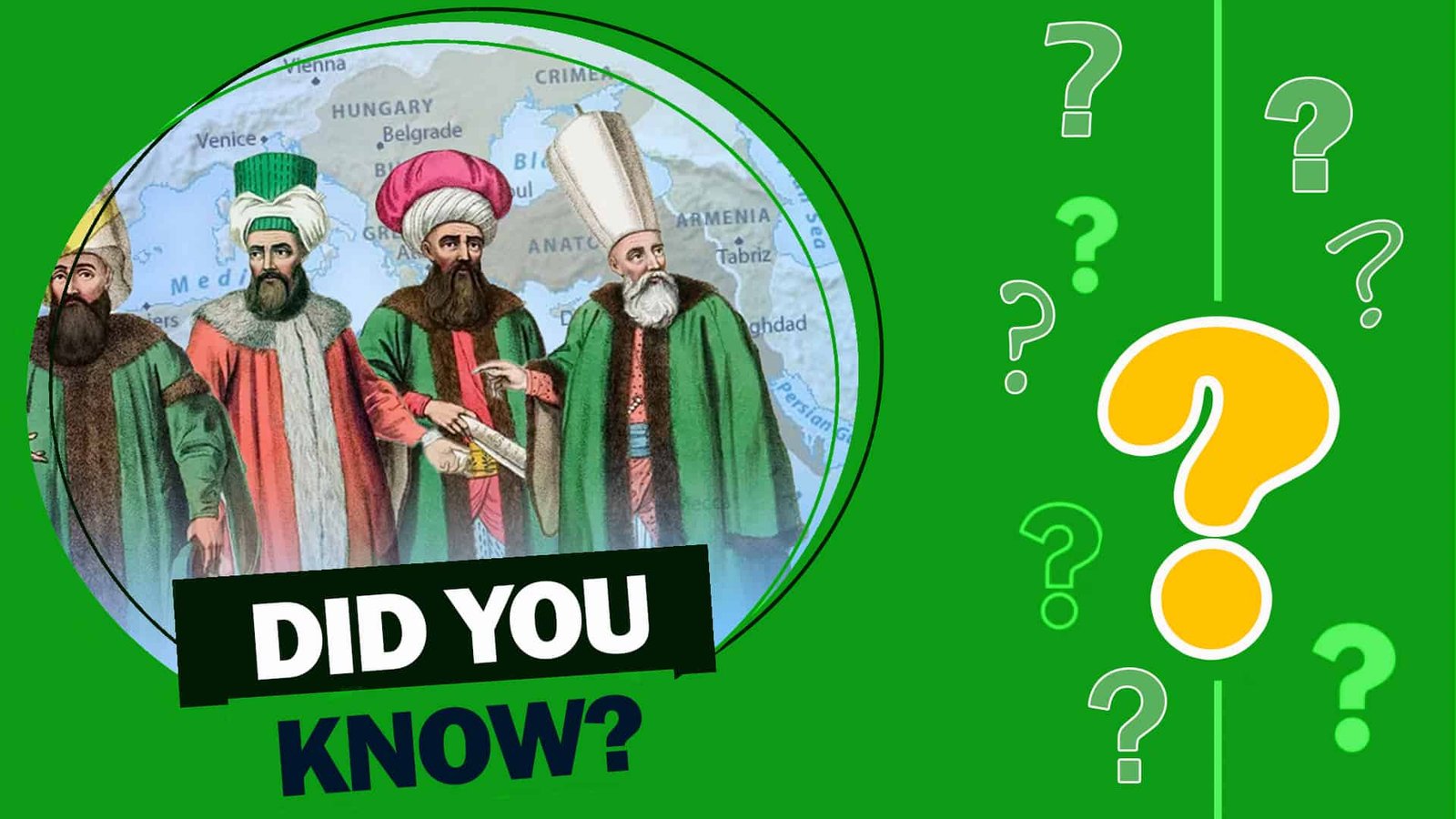
In the Ottoman Empire, beards were considered a symbol of power and authority. As such, the sultan forbade his subjects from cutting their beards, which was seen as an act of defiance. The Ottoman Empire was a powerful Islamic caliphate that lasted from the late 13th century to the early 20th century, and was known for its strict adherence to Islamic customs and traditions. The importance of beards in Ottoman society was reflected in the sultan’s decree, which was intended to maintain the cultural and religious values of the empire.
In Ottoman society, beards were seen as a symbol of wisdom, maturity, and piety, and were considered an essential part of a man’s appearance. Those who defied the sultan’s ban on cutting beards were punished, and could face fines, imprisonment, or other forms of punishment.
The ban on cutting beards in the Ottoman Empire was a reflection of the importance of beards in Islamic culture and the values of the Ottoman Empire. Today, beards continue to be a symbol of masculinity and cultural identity in many Islamic communities, and are often worn with pride.

Caring for Curly Hair During Pregnancy and Postpartum
Curly hair can be challenging to manage at any time, but the hormonal changes during pregnancy and postpartum can make it even more difficult. In

Get Your Best Look Yet: Ultimate Guide to Men’s Bangs Haircut
Bangs Haircut Men’s Perfect Look Bangs haircuts have been a popular trend among women for many years, but now they are quickly becoming a popular

10 Amazing Hair Care Historical Facts 7
France: King Louis XIV banned long hair : In 17th century France, King Louis XIV banned the wearing of long hair. He viewed it as