
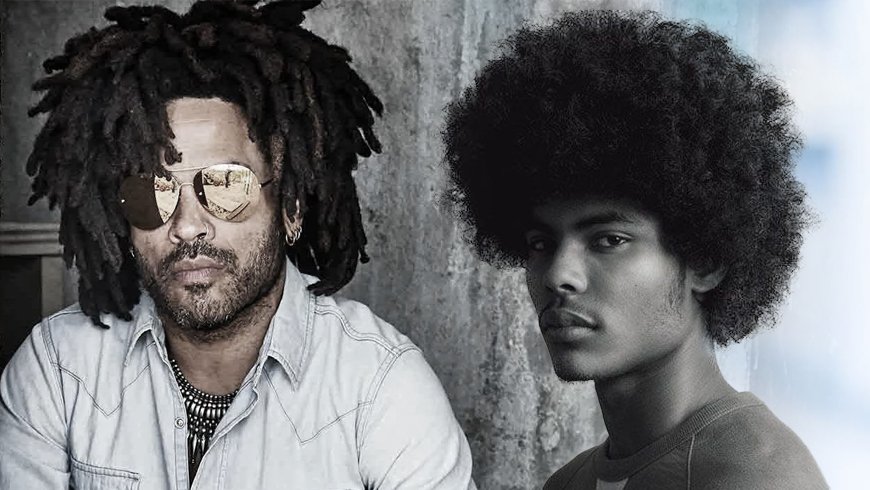

South Africa government imposed a ban on certain hairstyles:
During apartheid in South Africa (1948-1994), the government imposed a ban on certain hairstyles, including dreadlocks and Afros. The government viewed these hairstyles as symbols of resistance to the white-dominated regime, and saw them as a threat to their authority.
The ban was part of a larger effort by the apartheid government to control and suppress black South Africans. The ban on dreadlocks and Afros was just one of many ways in which the apartheid regime sought to impose their will and maintain their power.
Those who chose to wear dreadlocks or Afros despite the ban faced severe consequences, including fines, imprisonment, and even physical violence. Despite the danger, many black South Africans continued to wear these hairstyles as a symbol of their cultural identity and resistance to the apartheid regime.
The ban on dreadlocks and Afros in South Africa serves as an example of how political ideologies and cultural values can impact hairstyles. It also highlights the tension between personal expression and societal norms, and the ways in which political power can be used to control and shape fashion trends.

Perfect Length X-pression Braiding Hair Length Chart Decoded
Choosing the Perfect Length: X-pression Braiding Hair Length Chart Decoded Introduction: X-pression braiding hair has become a go-to choice for individuals looking to create stunning
Hairstyle Ideas for New Moms with Limited Time
Hairstyle Ideas for New Moms with Limited Time Becoming a new mom is an exciting and challenging time in a woman’s life. While caring for

Get Your Best Look Yet: Ultimate Guide to Men’s Bangs Haircut
Bangs Haircut Men’s Perfect Look Bangs haircuts have been a popular trend among women for many years, but now they are quickly becoming a popular