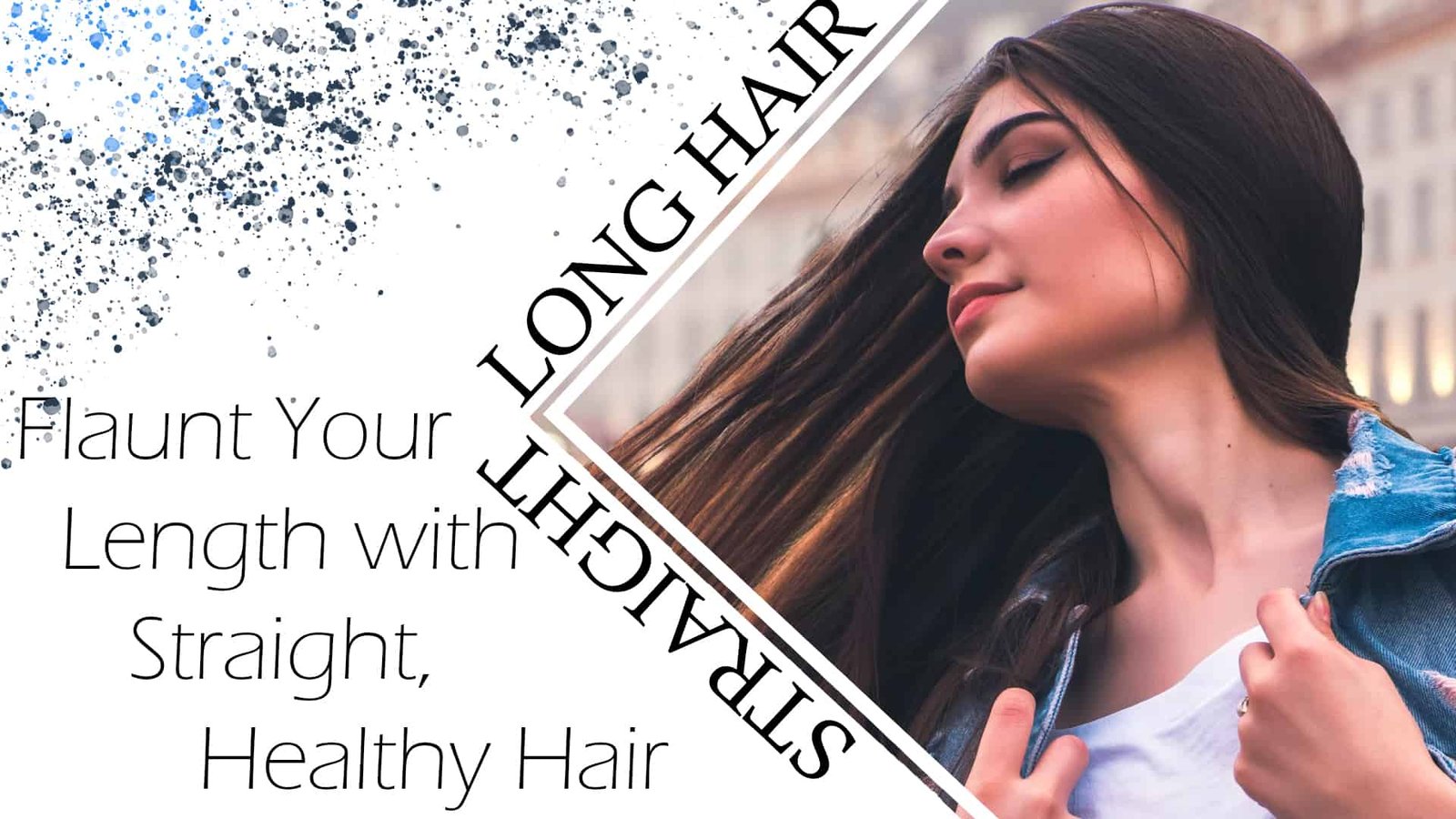
Transform Your Look With These Easy DIY Straight Long Hair Tutorials

Women’s Straight Long Hair

Women’s straight long hair is a timeless and versatile look that can be styled in countless ways. From sleek and sophisticated to playful and whimsical, this hair type has the potential to make a bold statement and create a unique look for each individual.

One of the most important aspects of maintaining straight long hair is proper hair care. This includes regular washing, conditioning, and using products that help to nourish and protect the hair. In addition, regular trims are crucial in order to keep split ends at bay and maintain the overall health and appearance of the hair.

When it comes to styling straight long hair, the possibilities are endless. A sleek, straight style can be achieved with a flat iron, while loose waves can be created with a curling iron or hot rollers. Updos and braids are also popular styles for straight long hair, and can be dressed up or down depending on the occasion.

Another great way to add interest to straight long hair is through the use of color. Whether it be highlights, lowlights, or an all-over color, adding a pop of color to straight long hair can instantly transform the look and give it new life.

In conclusion, women’s straight long hair is a timeless and versatile look that can be styled in countless ways to suit each individual’s unique style and personality. With proper hair care and a bit of creativity, the possibilities are endless when it comes to this hair type.

Step-by-Step Guide to Getting the Perfect Straight long Hair.

Achieving straight long hair can be a simple process with the right tools and techniques. Here is a step-by-step guide to achieve straight long hair for women:

  1. Wash and condition your hair: Before straightening, it is important to have clean and healthy hair. Use a moisturizing shampoo and conditioner to prevent your hair from getting damaged.
  2. Brush and detangle: Using a wide-tooth comb, brush and detangle your hair starting from the ends and working your way up to the roots. This will help prevent breakage during the straightening process.
  3. Apply heat protectant: To protect your hair from heat damage, apply a heat protectant spray evenly throughout your hair.
  4. Blow-dry your hair: Using a round brush, blow-dry your hair section by section, pulling the hair straight down to stretch it out. This will help create a smooth base for straightening.
  5. Use a flat iron: Start with the bottom section of your hair and work your way up, running the flat iron through each section of hair slowly and smoothly, making sure to not over-heat your hair.
  6. Set the style: To set the style, let your hair cool down and then apply a light-hold hair spray. You can also use a flat brush to smooth down any flyaways or frizz.

Remember to be gentle with your hair and to not over-use heat tools. Regular trims and deep conditioning treatments will also help maintain the health and straightness of your long hair.
How to Cut Your Own Hair (Step by Step)

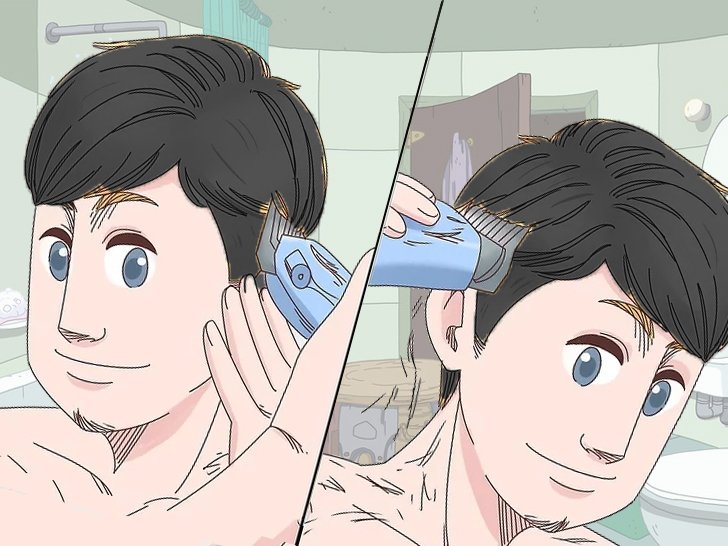
Men’s hair cutting at home can be a cost-effective and convenient option for those who want to save time and money. Here’s what you need and a step-by-step guide for cutting your own hair:

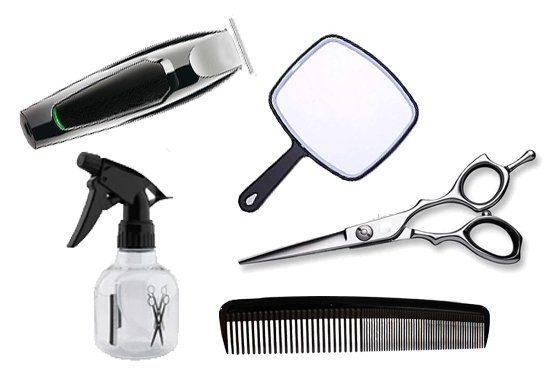
What You Need:

  • Good quality hair cutting scissors
  • A hand-held mirror
  • A comb
  • A spray bottle filled with water
  • Clippers (optional)

Step by Step:

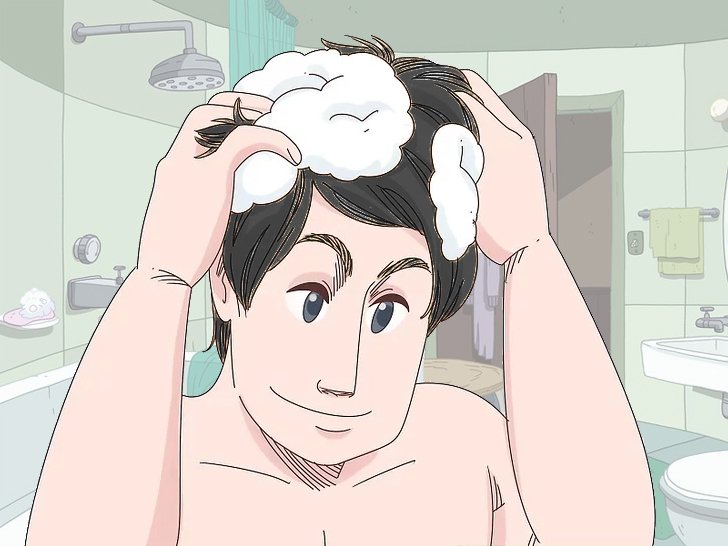
Own hair cutting step 1
STEP 1: Start by washing your hair to remove any dirt or oils that could impede the cutting process.


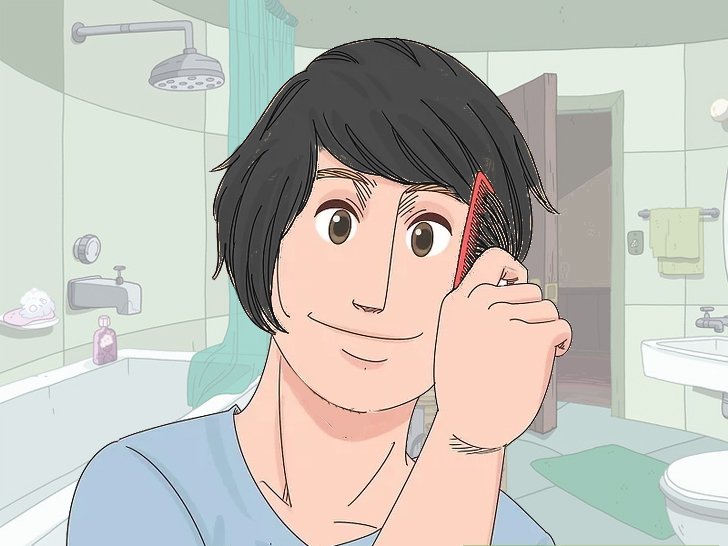
Own hair cutting step 2
STEP 2: Comb your hair and use the spray bottle to dampen it slightly.


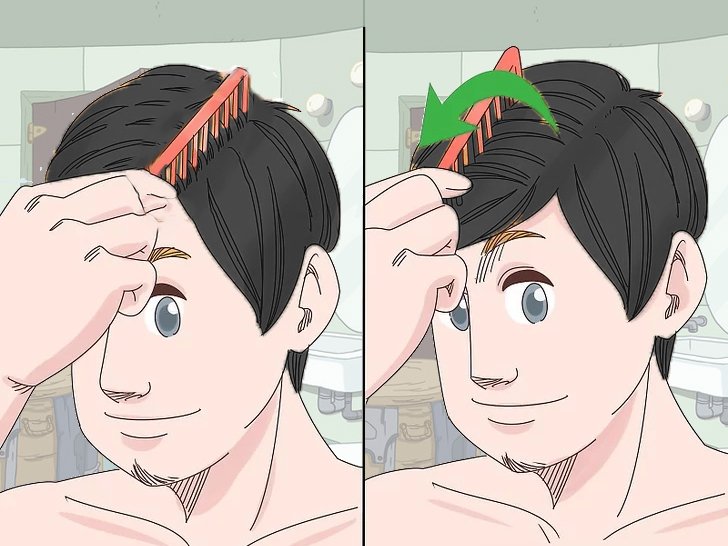
hair cutting DIY step 3
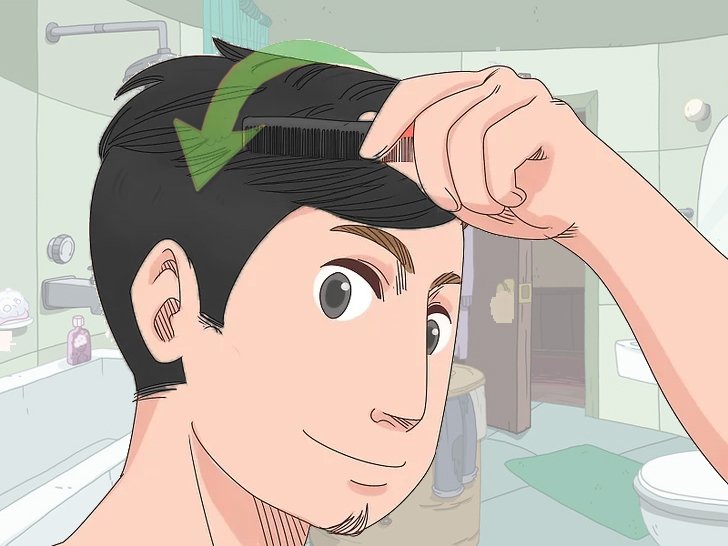
STEP 3: Stand in front of the hand-held mirror, and use the comb to section off the hair you want to cut.


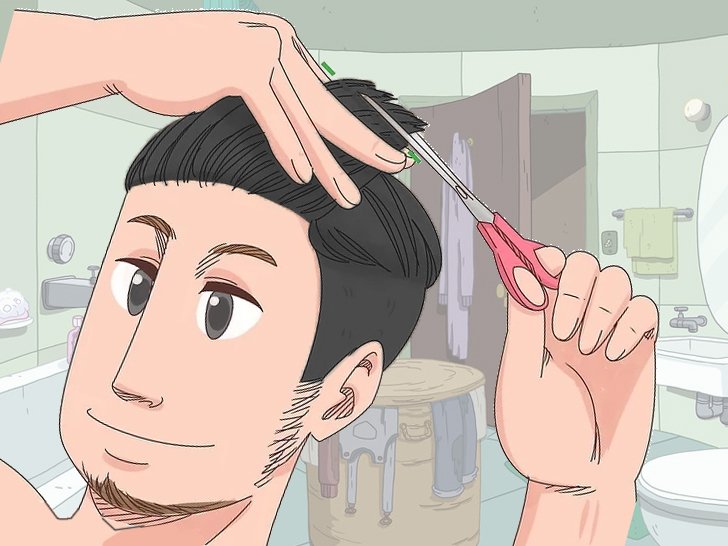
Own hair cutting step 4
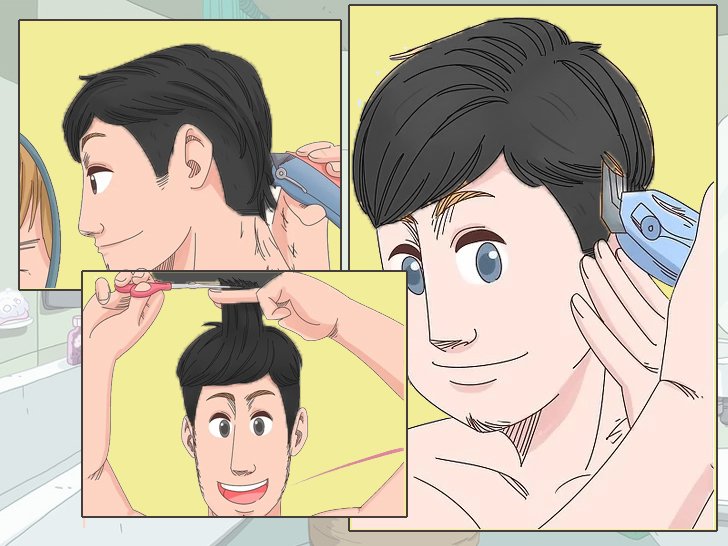
STEP 4: Hold the scissors at a 45-degree angle and snip the hair in small sections, working your way from the bottom to the top.


Own hair cutting step 5
STEP 5: Use clippers to trim the back and sides if desired, following the same process.


Own hair cutting step 6
STEP 6: Continue cutting and trimming until you reach your desired length and style.


Own hair cutting step 7
STEP 7: Use the comb to check for any unevenness, and make any necessary touch-ups.


Own hair cutting step 8
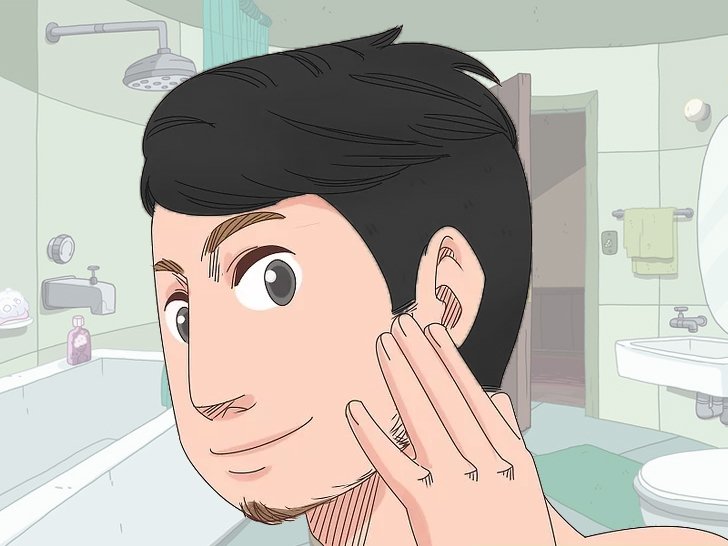
STEP 8: Clean up any hair that may have fallen during the cutting process, and you’re done!

King James I banned  Historical Facts 5

King James I banned - Historical Facts 5

King James I banned long 

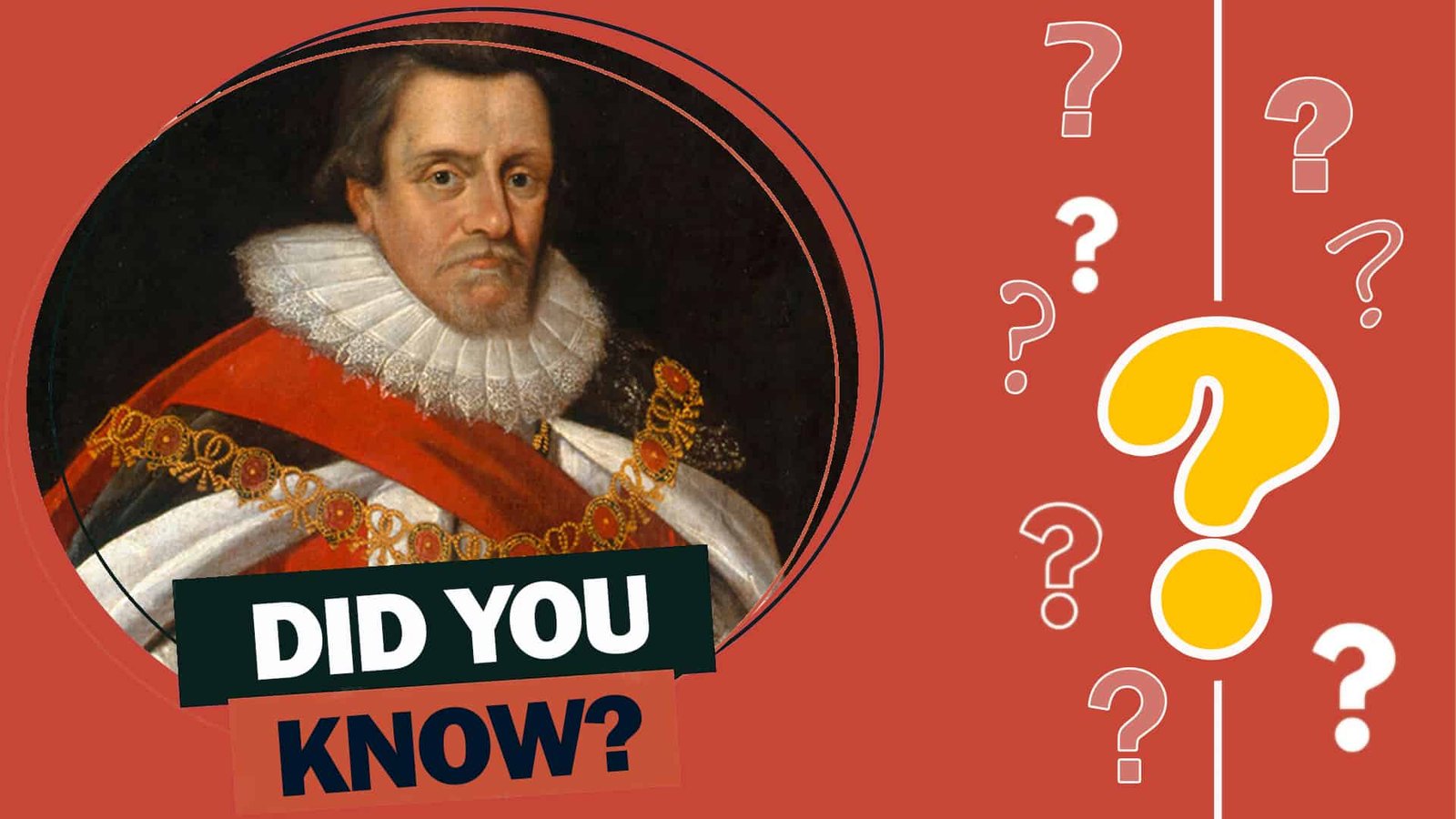
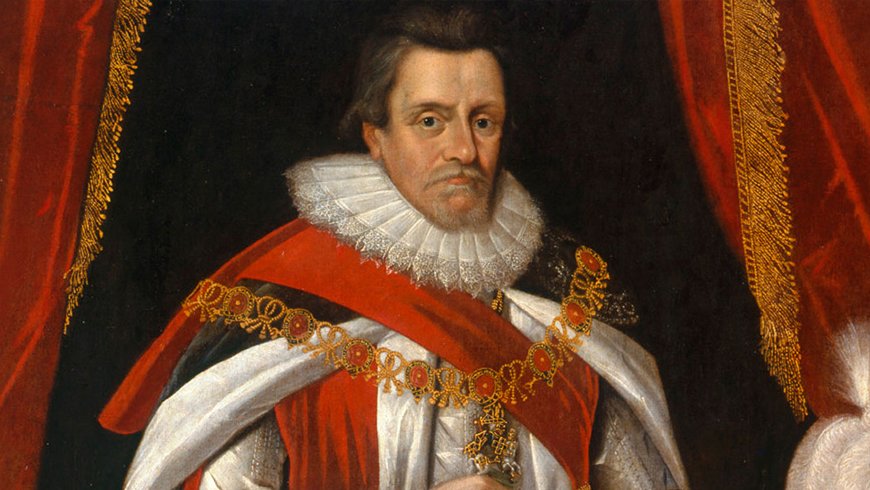
During the Tudor dynasty in England (1485-1603), long hair was fashionable among men and was often styled in elaborate and ornate fashion. However, King James I, who ruled England from 1603 to 1625, took a strong stance against this trend and banned long hair. He saw it as a sign of vanity and extravagance and believed it was an unacceptable distraction from the serious business of ruling the kingdom.

Men who disobeyed the ban on long hair faced severe consequences, including fines and imprisonment. The ban was strictly enforced, and those who chose to wear their hair in a long style were seen as rebels and outcasts.

Despite the ban, some men continued to wear their hair long in secret, and the trend for long hair continued to flourish in some quarters. However, for the most part, the ban on long hair during the Tudor dynasty served as a reminder of the strict societal norms and expectations of the time.

The ban on long hair during the Tudor dynasty serves as an example of how political and cultural attitudes can influence the way that men wear their hair. It also highlights the tension between personal expression and societal norms, and the ways in which political power can be used to control and shape fashion trends.

King James ban long hair

Ottoman Empire-Historical Facts 4

Ottoman Empire Historical Facts 4

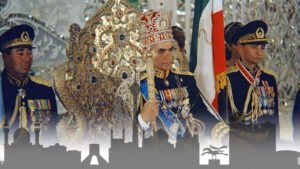
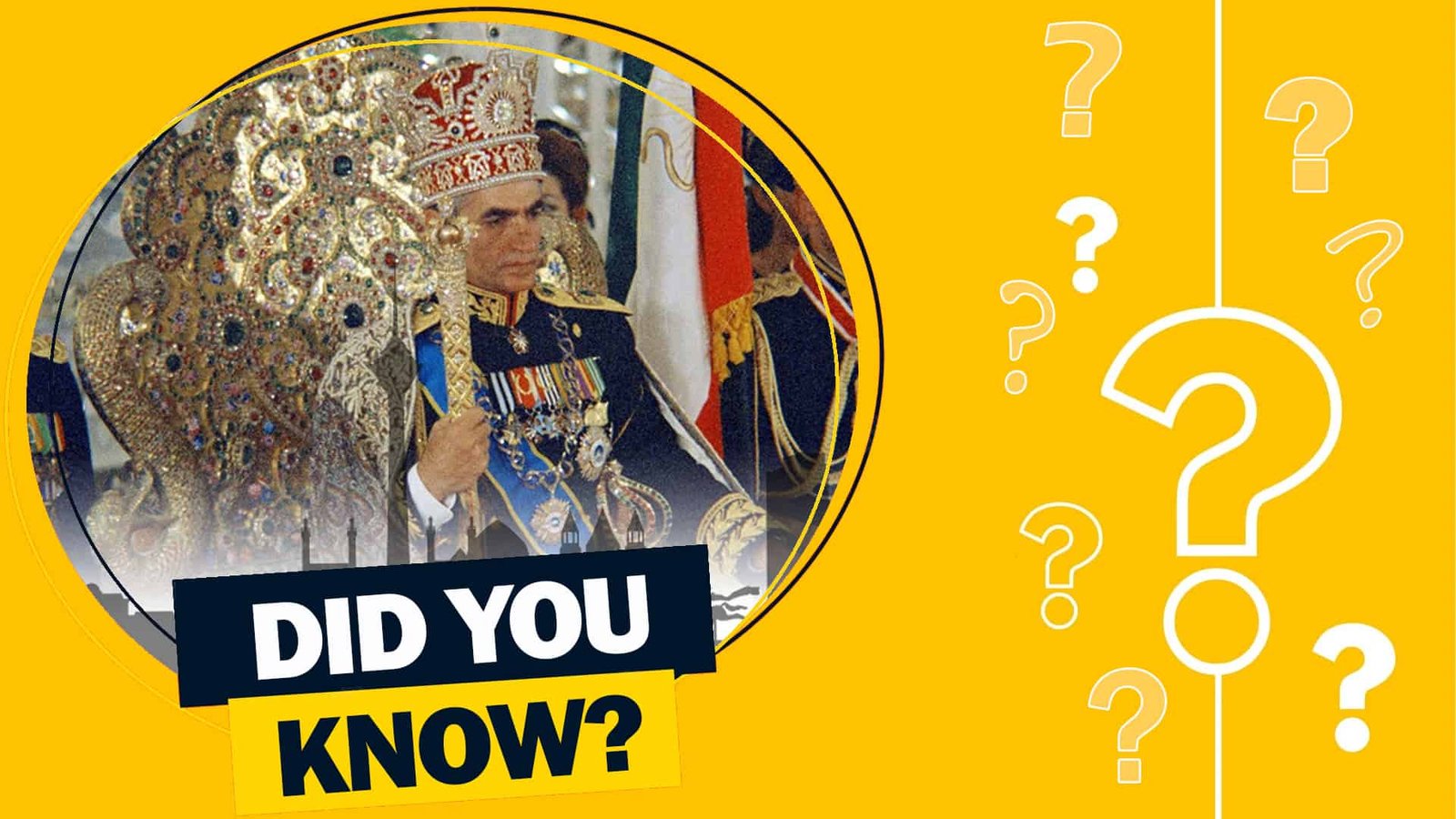
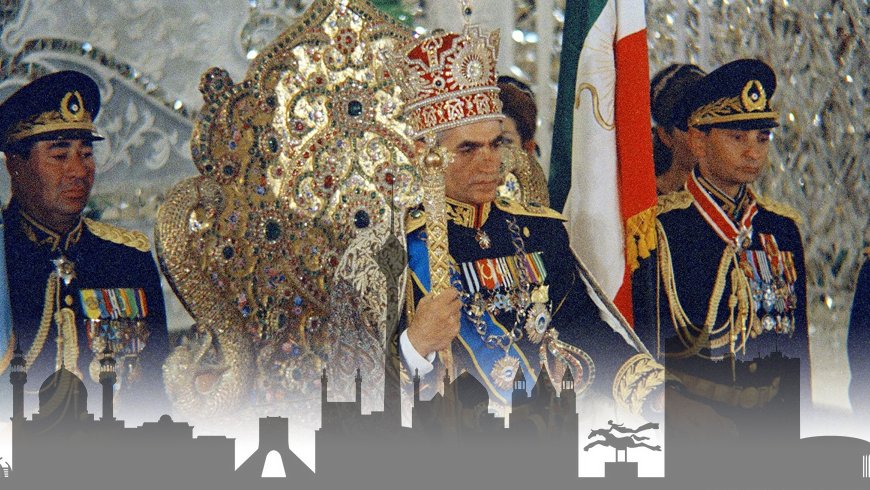
During the Pahlavi dynasty in Iran (1925-1979), the government implemented a series of Westernization efforts aimed at modernizing the country and aligning it with Western norms and values. As part of these efforts, the wearing of beards was banned, as it was seen as an outdated symbol of traditional Iranian culture.

The ban on beards was strictly enforced, and men who disobeyed this rule faced severe consequences. Those who wore beards in defiance of the ban could be fined or even imprisoned, and the ban was seen as a symbol of the government’s commitment to modernizing Iran and breaking with its traditional past.

The ban on beards during the Pahlavi dynasty was part of a larger trend of suppressing traditional cultural practices and promoting Western values in Iran. The Pahlavi dynasty was eventually overthrown in the Iranian Revolution of 1979, and the ban on beards was lifted, but the legacy of this era continues to shape Iranian culture and politics to this day.

The ban on beards during the Pahlavi dynasty serves as an example of how political ideologies and cultural values can impact the way that men wear their hair and facial hair. It also highlights the tension between traditional cultural practices and the desire to modernize and align with Western norms and values.

Pahlavi dynasty in Iran

Ottoman Empire Historical Facts 3

Ottoman Empire Historical Facts 3

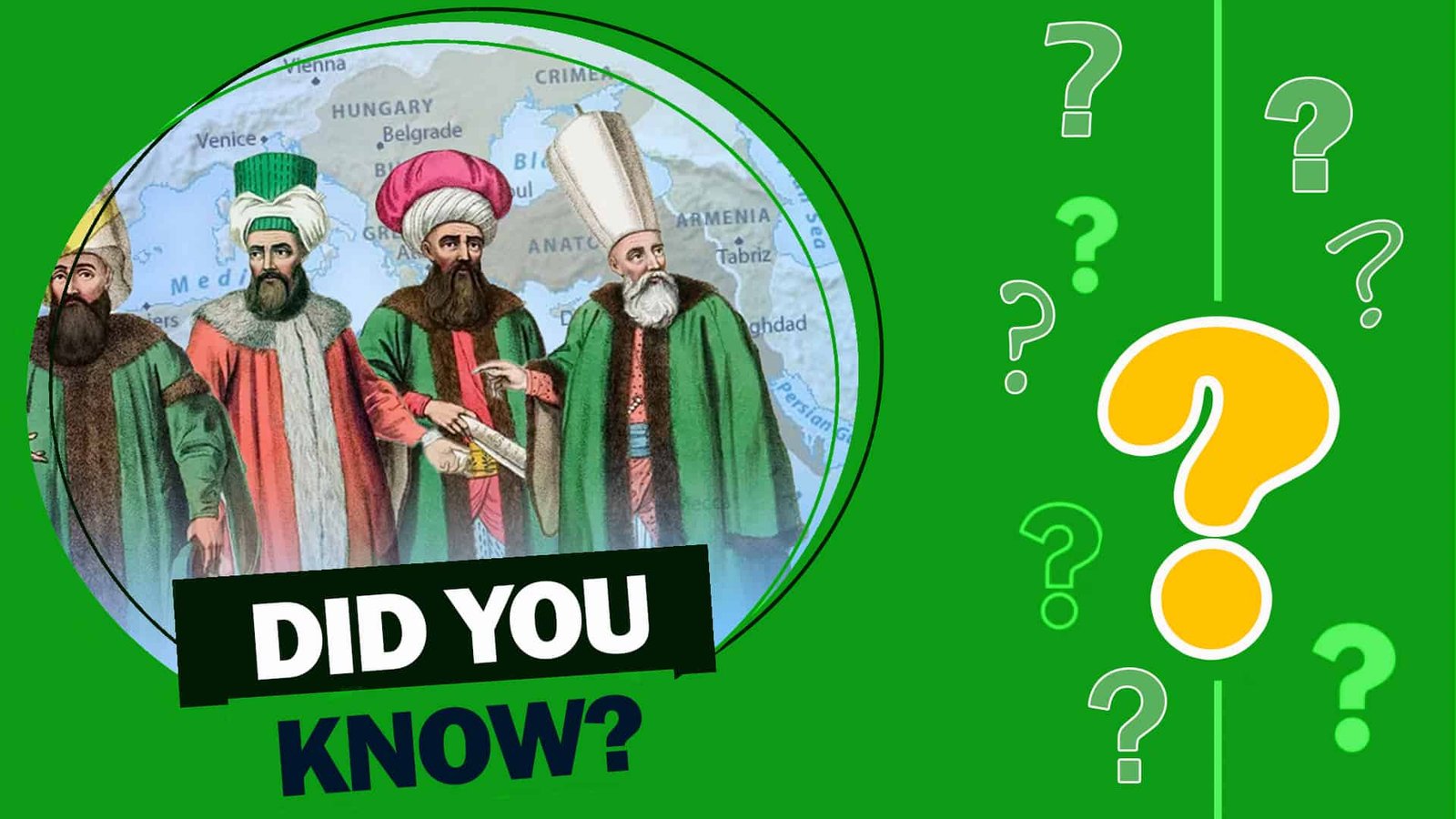
In the Ottoman Empire, beards were considered a symbol of power and authority. As such, the sultan forbade his subjects from cutting their beards, which was seen as an act of defiance. The Ottoman Empire was a powerful Islamic caliphate that lasted from the late 13th century to the early 20th century, and was known for its strict adherence to Islamic customs and traditions. The importance of beards in Ottoman society was reflected in the sultan’s decree, which was intended to maintain the cultural and religious values of the empire.

In Ottoman society, beards were seen as a symbol of wisdom, maturity, and piety, and were considered an essential part of a man’s appearance. Those who defied the sultan’s ban on cutting beards were punished, and could face fines, imprisonment, or other forms of punishment.

The ban on cutting beards in the Ottoman Empire was a reflection of the importance of beards in Islamic culture and the values of the Ottoman Empire. Today, beards continue to be a symbol of masculinity and cultural identity in many Islamic communities, and are often worn with pride.